

‘해방촌 해방구’는 작지만 수직으로 확장되는 공간 구조를 통해 공적 영역과 사적 영역을 자연스럽게 엮으며, 일상과 교류가 공존하는 새로운 도시형 주거 방식을 제안한다.
Haebangchon Haebanggu proposes a new urban dwelling model where everyday life and social interaction coexist, using a vertically layered spatial sequence that expands smallness into a richer experience.
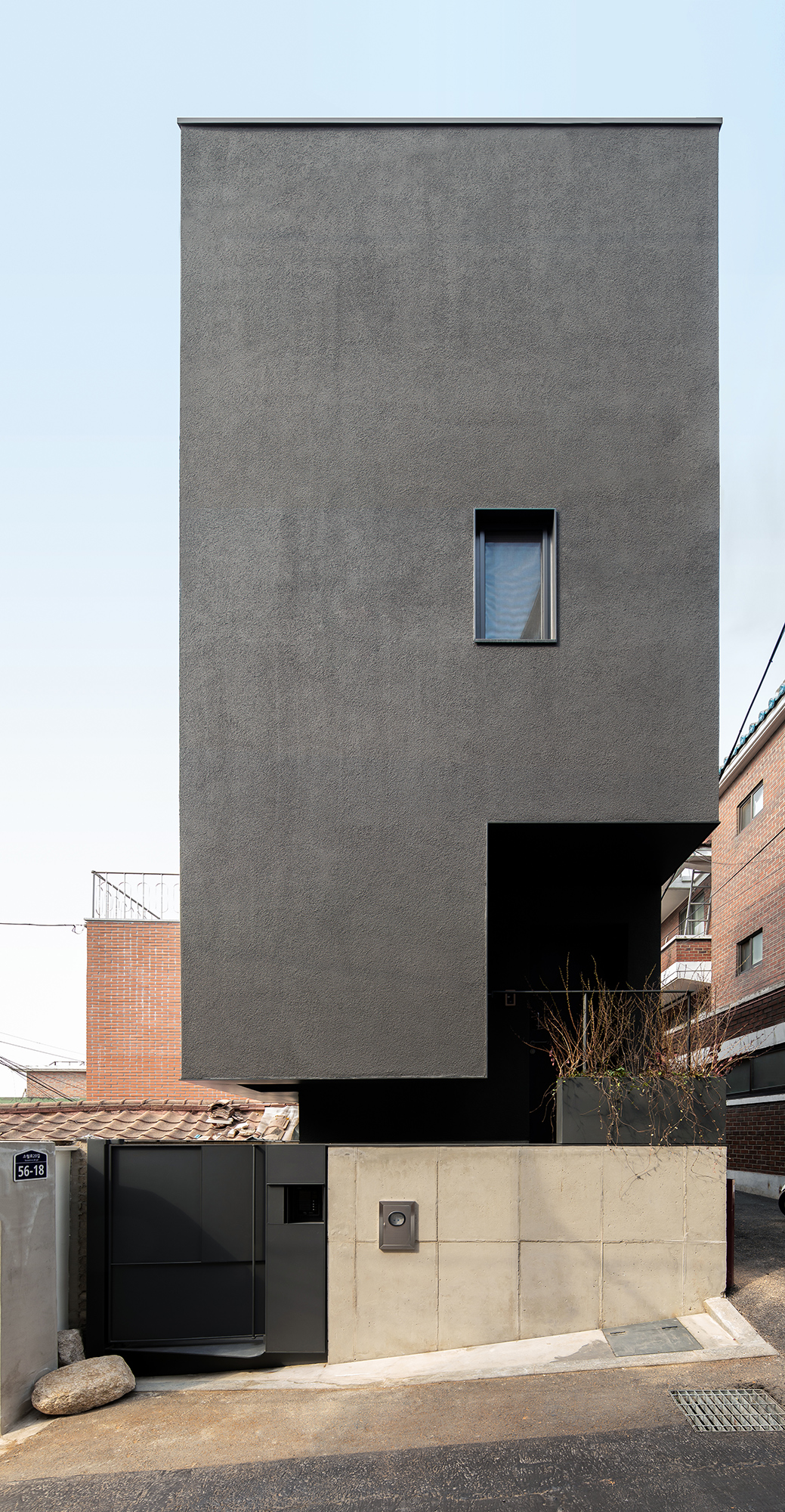
서울 후암동 언덕 끝자락, 남산의 능선을 따라 형성된 오래된 주거지 사이에 자리한 ‘해방촌 해방구’는 작지만 밀도 높은 공간 실험의 결과물이다. 이 프로젝트는 mundo e hoje(문도호제)가 건축을 설계하였으며, 실내공간은 stof가 협업한 협소형 주거이자, 도심 속에서 ‘일상과 교류가 공존하는 집’이라는 새로운 생활 방식을 제안한다. 대지는 불과 35.66㎡, 연면적은 52.84㎡에 불과하지만 공간의 깊이는 그보다 훨씬 크다. 건축주는 손님을 초대해 식사하고, 담백한 대화를 나눌 수 있는 집을 원했다. 이에 건축가는 공적 영역과 사적 영역을 수직적으로 분리하면서도 각 층이 자연스럽게 연결되도록 계획했다.
Perched at the edge of a hillside in Huam-dong, Seoul—amid an old residential neighborhood tracing the ridgeline of Namsan—“Haebangchon Haebanggu” is a compact yet highly dense spatial experiment. Designed by mundo e hoje with stof collaborating on the interior, this micro-residence proposes a new urban lifestyle in which everyday living and social interaction coexist. Though the site measures only 35.66㎡ with a total floor area of 52.84㎡, the spatial depth far exceeds its numerical scale. The client envisioned a home where guests could be invited to share meals and conversation, and in response the architect arranged public and private zones vertically while allowing each floor to remain naturally connected.
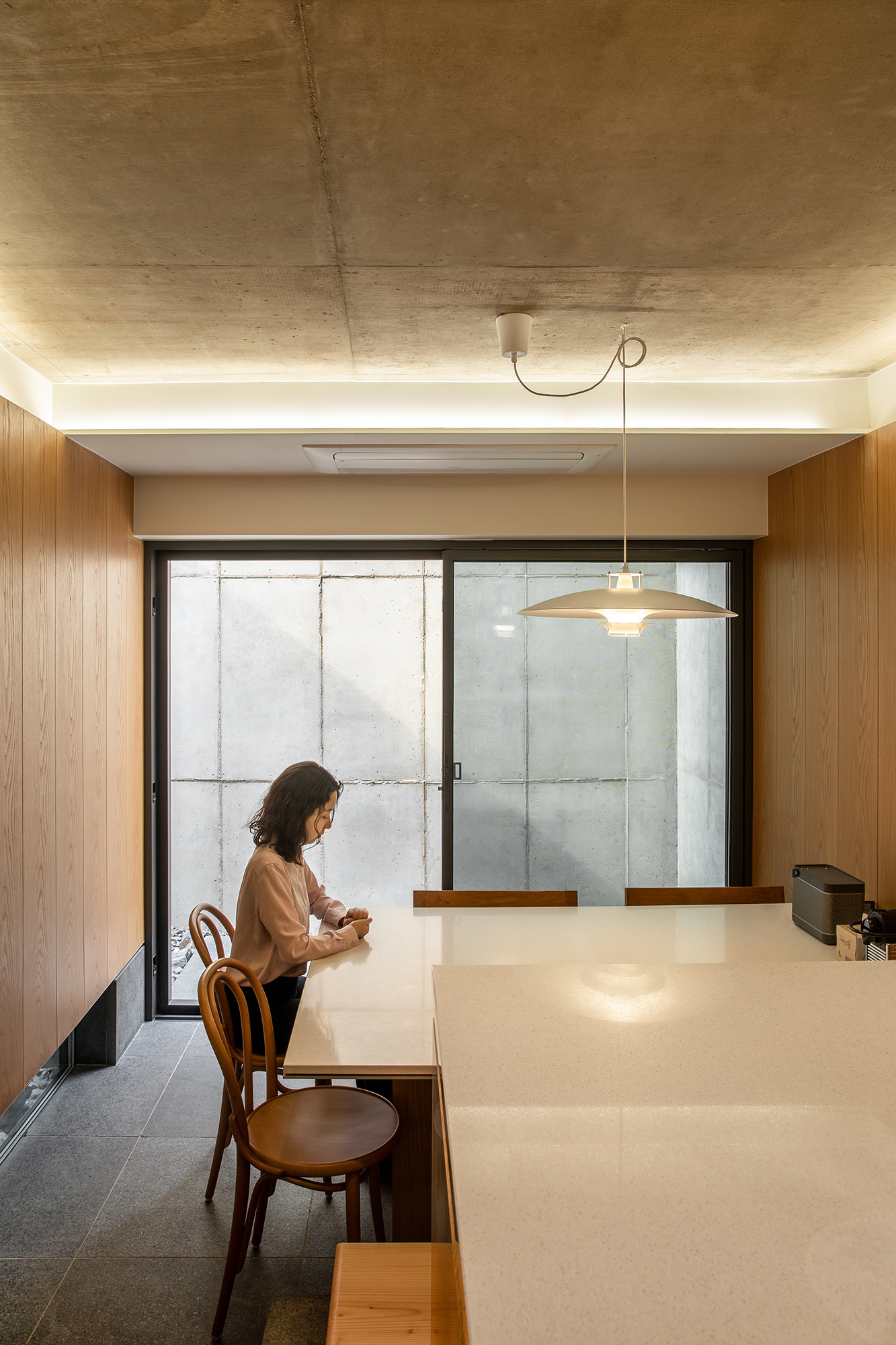
1층은 신발을 신고 바로 진입할 수 있는 주방 겸 식당으로, 도로와의 단차를 최소화해 외부와 열린 구조를 가진다. 작은 스케일에도 불구하고 개방감을 확보하기 위해 창, 보이드, 테라스 등의 요소가 층마다 교차하며 공간의 흐름을 만든다.
The ground floor serves as a kitchen and dining area that can be accessed without removing shoes, minimizing the level difference from the street and opening the interior to the neighborhood. Despite the home’s small footprint, a sense of openness is achieved by layering windows, voids, and terraces across floors to create a flowing spatial sequence.
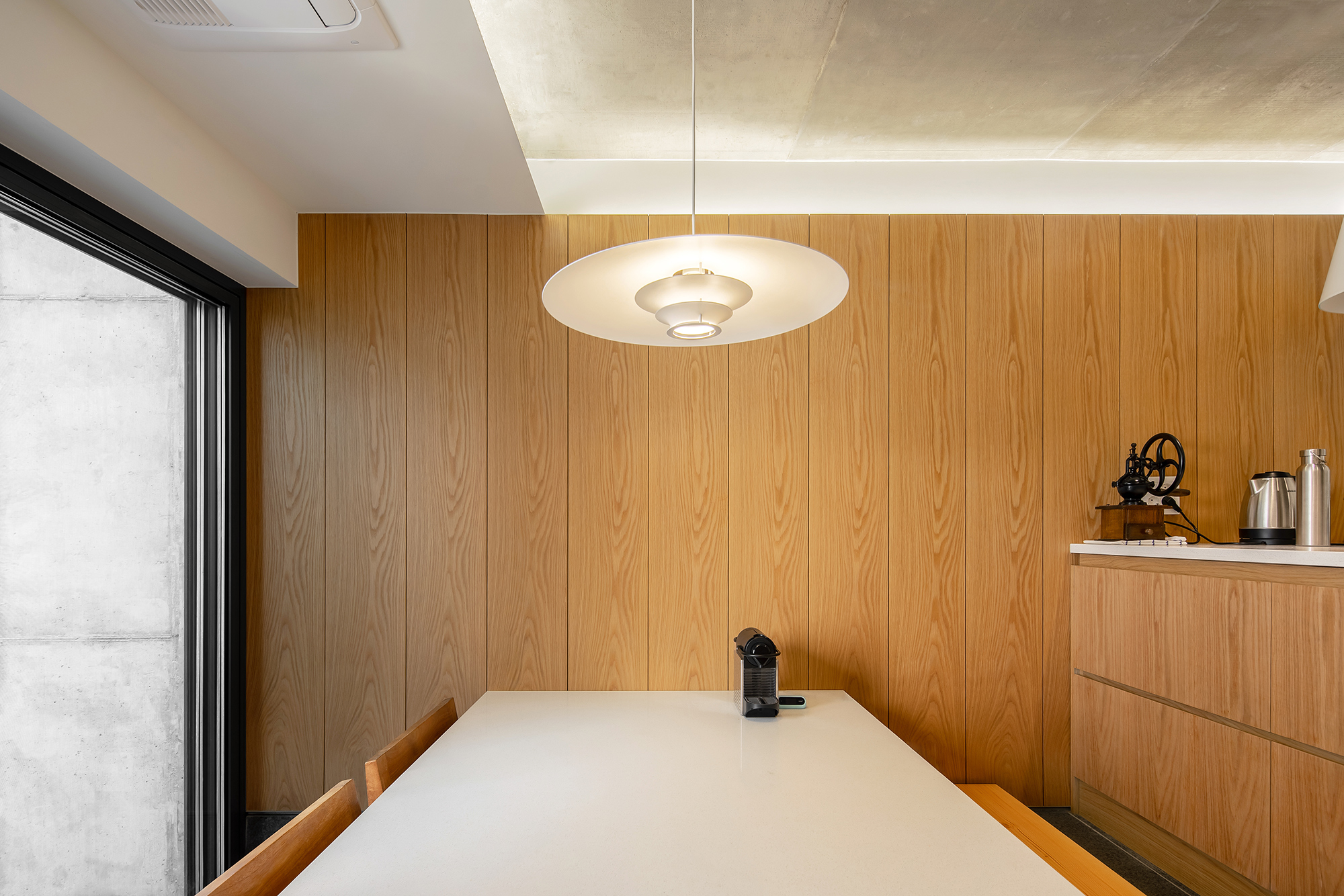
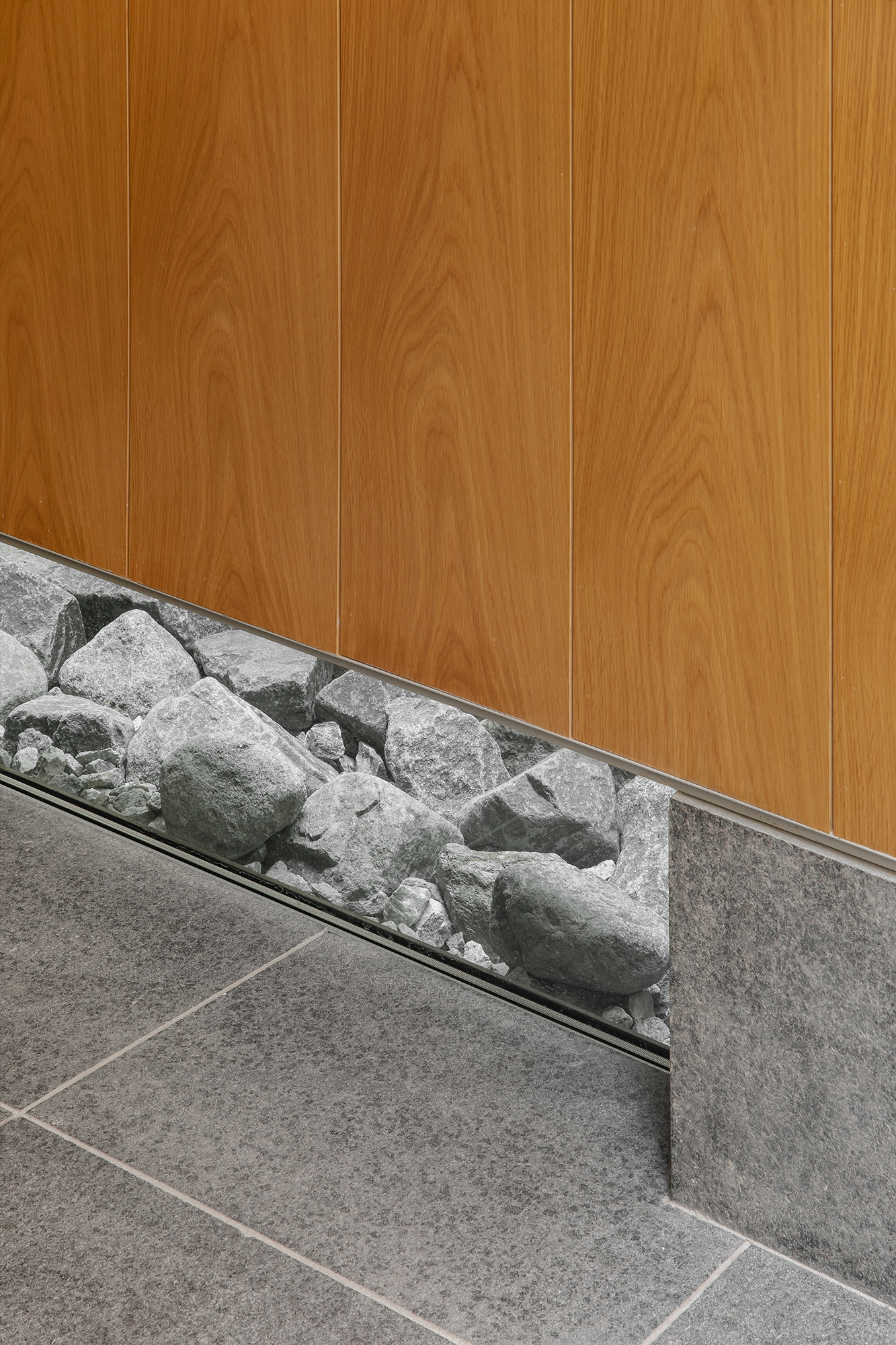
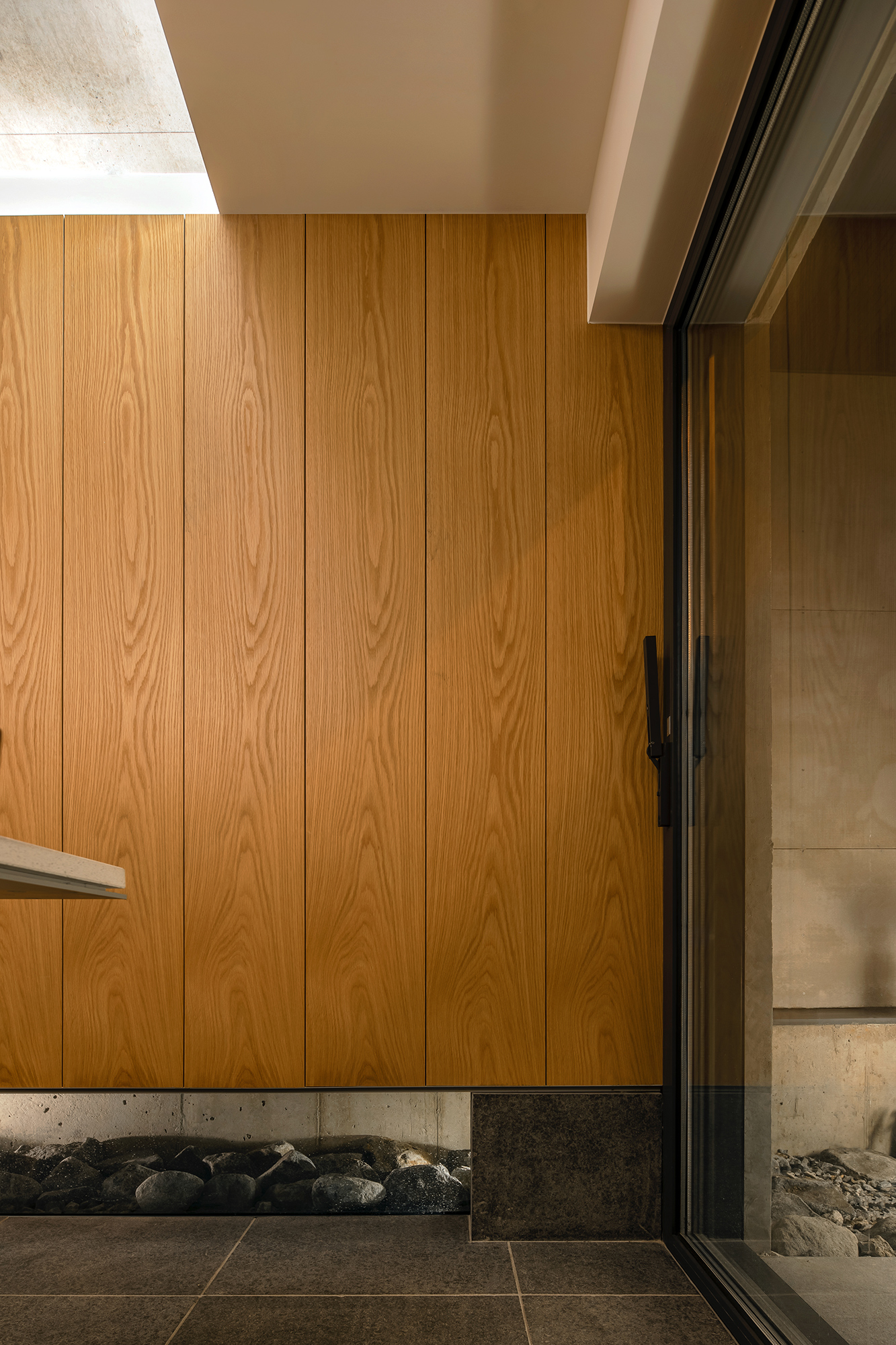

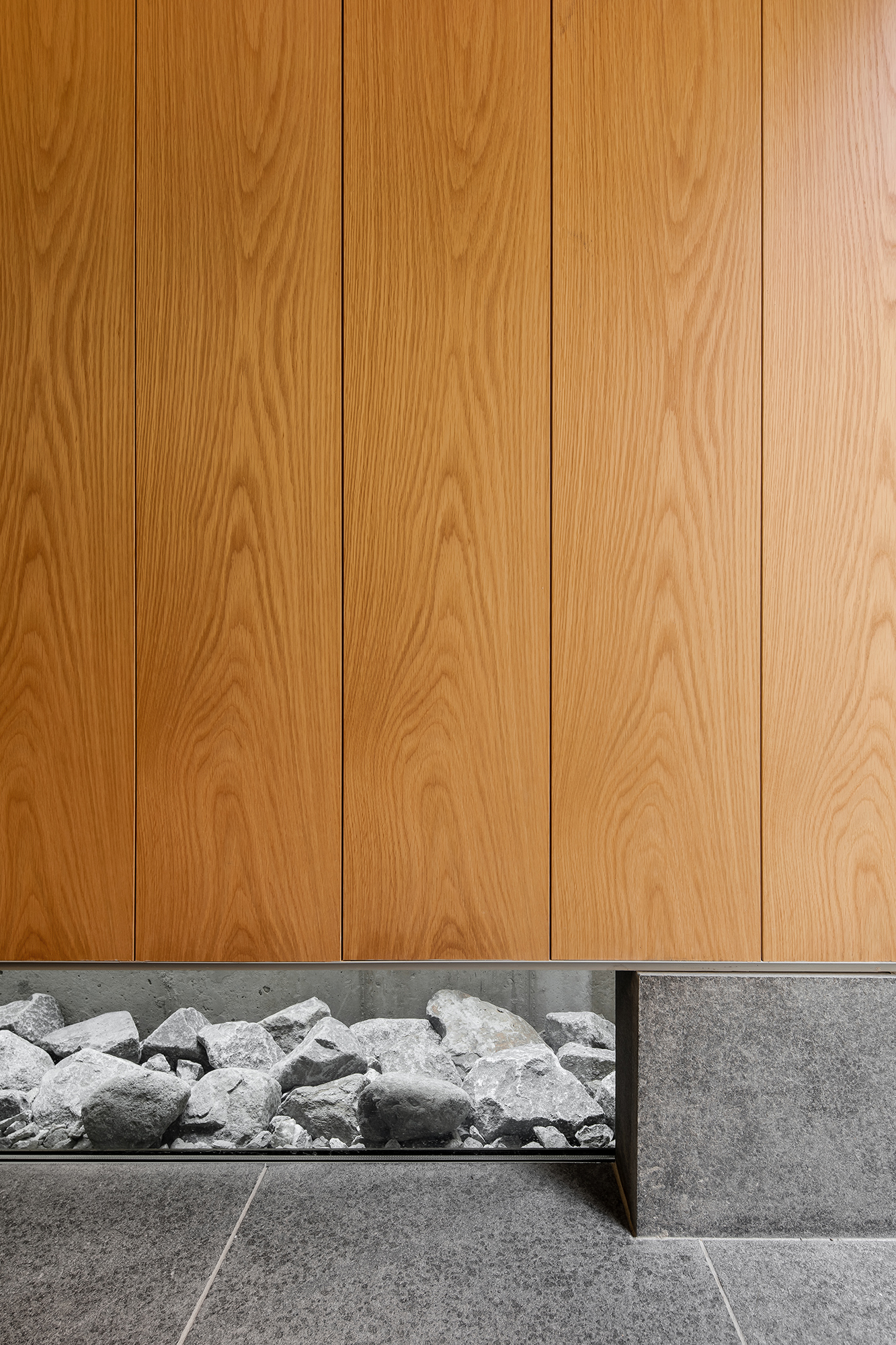
2층은 개인 서재, 3층은 거실, 그리고 다락층은 침실로 이어지며 각 레벨이 점차 사적인 영역으로 변주되는 수직적 시퀀스가 구성된다. 외부는 콘크리트와 마천석, 내부는 오크 무늬목을 사용해 단단하면서도 따뜻한 인상을 남긴다. 재료의 대비는 작지만 풍부한 공간감을 만들어내며 노출된 구조와 정제된 마감의 경계에서 도심 속 ‘작은 성소(sanctuary)’ 같은 감각을 완성한다.
The second floor becomes a personal study, the third a living room, and the attic a bedroom—forming a vertical transition from communal to private realms. Concrete and natural stone define the exterior, while oak veneer introduces warmth to the interior. This contrast of materials produces an intimate yet solid atmosphere, realizing the sensation of a “small sanctuary” within the dense fabric of the city—sitting at the threshold between exposed structure and refined finish.
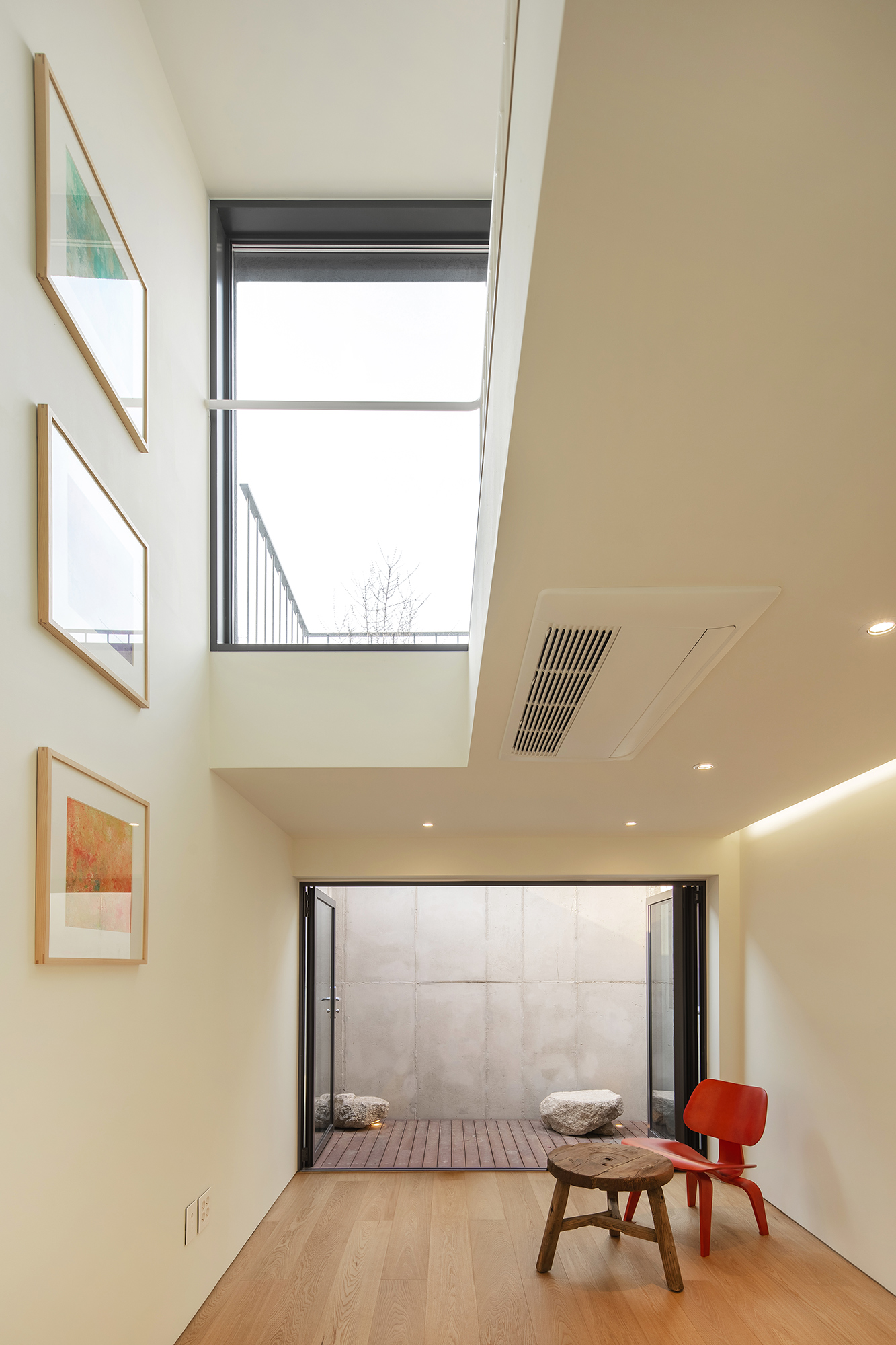


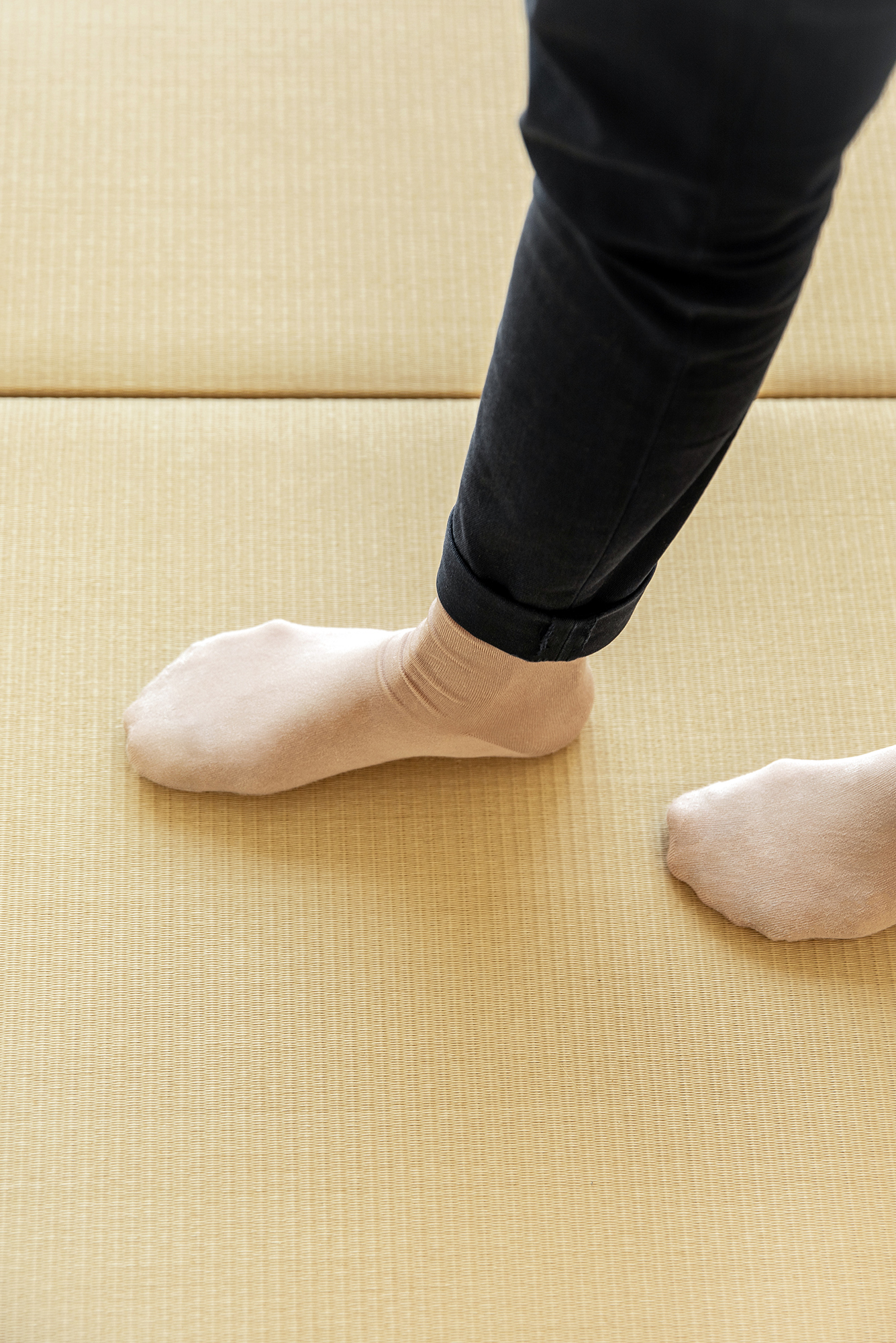



‘해방촌 해방구’는 단순한 협소주택을 넘어 밀도 높은 도시 맥락 안에서 개인의 삶이 어떻게 확장될 수 있는가에 대한 건축적 답변이다. 가파른 경사와 골목, 인접 건물의 그림자 속에서도 공간은 끊임없이 빛과 바람을 받아들이며 주변과의 관계 속에서 열린 구조를 유지한다. 이 집은 폐쇄적인 주거의 틀을 벗어나 사적 삶과 사회적 관계의 경계를 유연하게 엮은 실험적 공간이다. 그 안에서 ‘작음’은 제약이 아니라 삶의 질서를 더 선명하게 드러내는 디자인의 도구로 작용한다. 해방촌의 오래된 풍경 속에서 이 건축은 도시의 기억과 현재적 감각이 교차하는 지점에 조용히 자리한다.
More than a narrow urban house, Haebangchon Haebanggu offers an architectural response to how personal life can expand within a compact urban context. Even amid steep slopes, narrow alleys, and the shadows of neighboring buildings, the home maintains an openness to light and air, sustaining a continuous relationship with its surroundings.
This project challenges the conventional boundaries of private dwelling, weaving personal life with social interaction in a flexible way. Here, “smallness” becomes not a constraint, but a design instrument that sharpens the clarity of everyday order. Within the layered landscape of Haebangchon, the architecture quietly situates itself where the city’s memory and contemporary sensibility intersect.